TRESA range brochure
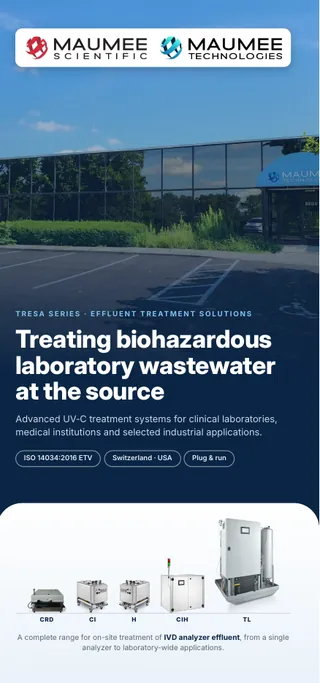
Tri-fold brochure with a side-by-side comparison of all five TRESA systems, plus treatment overview and company details.
Request product information
On-site advanced oxidation (ozone + UV-C) for laboratory-wide effluent
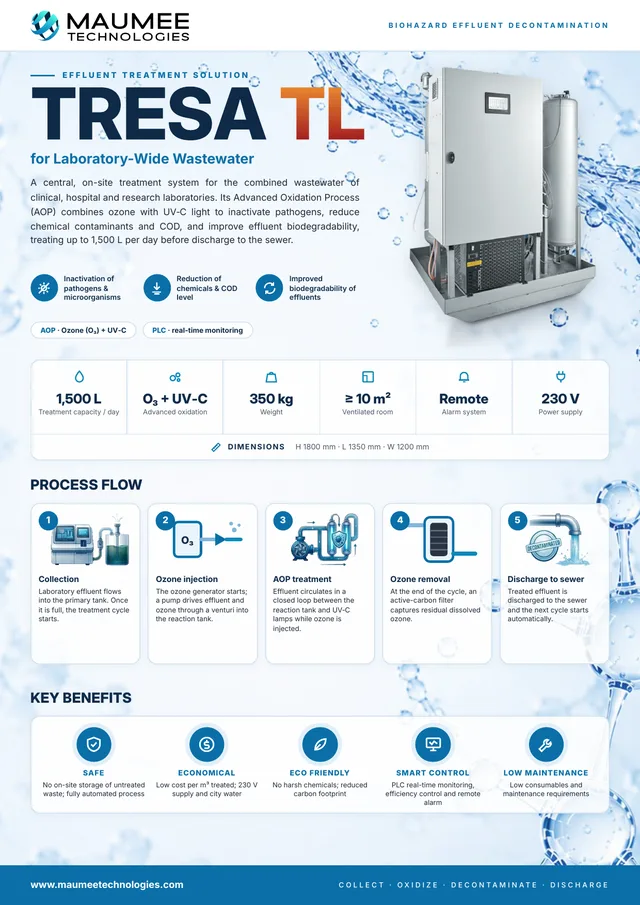
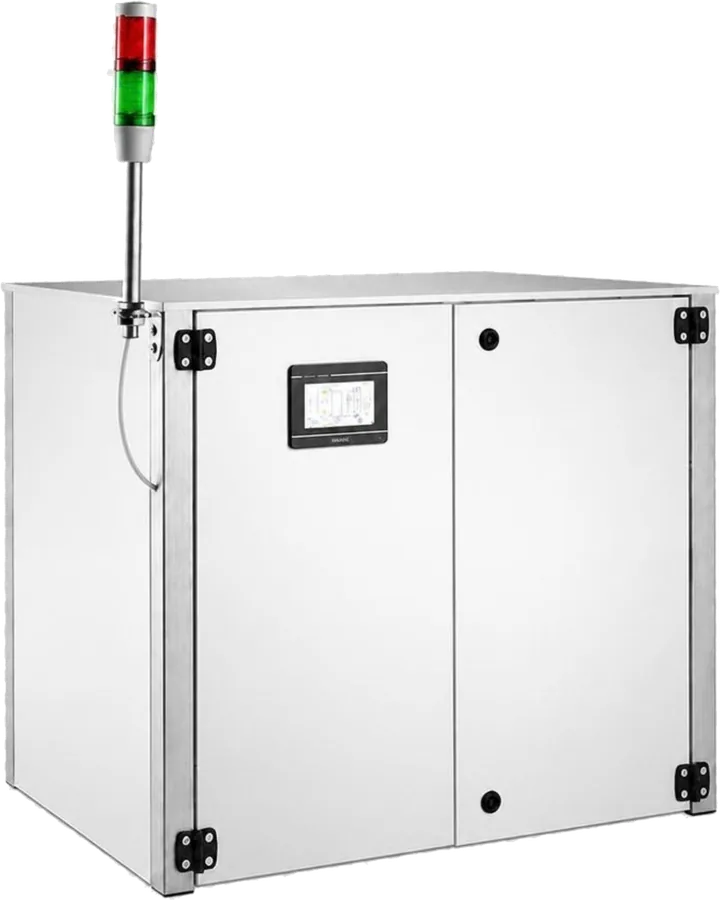
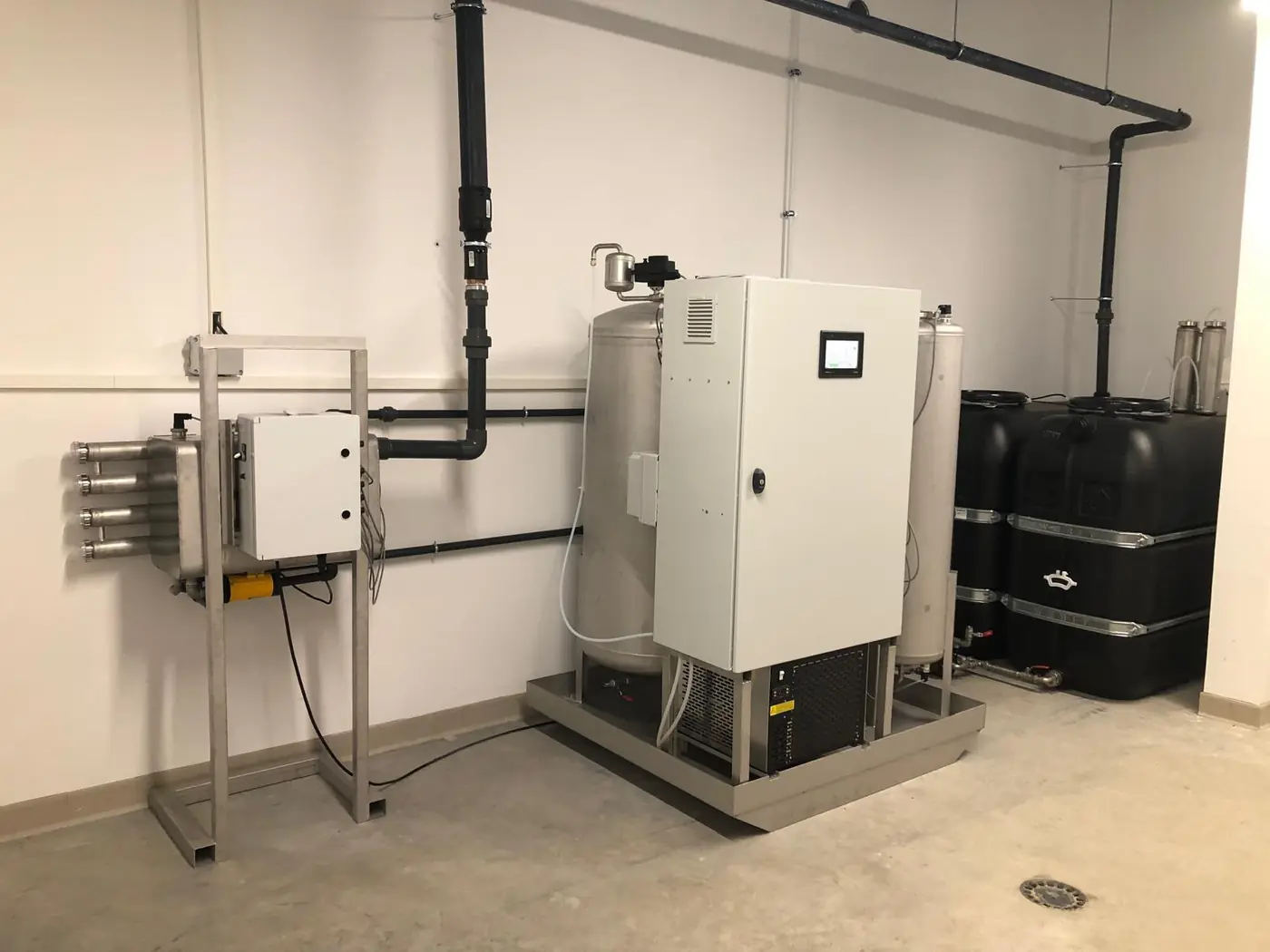
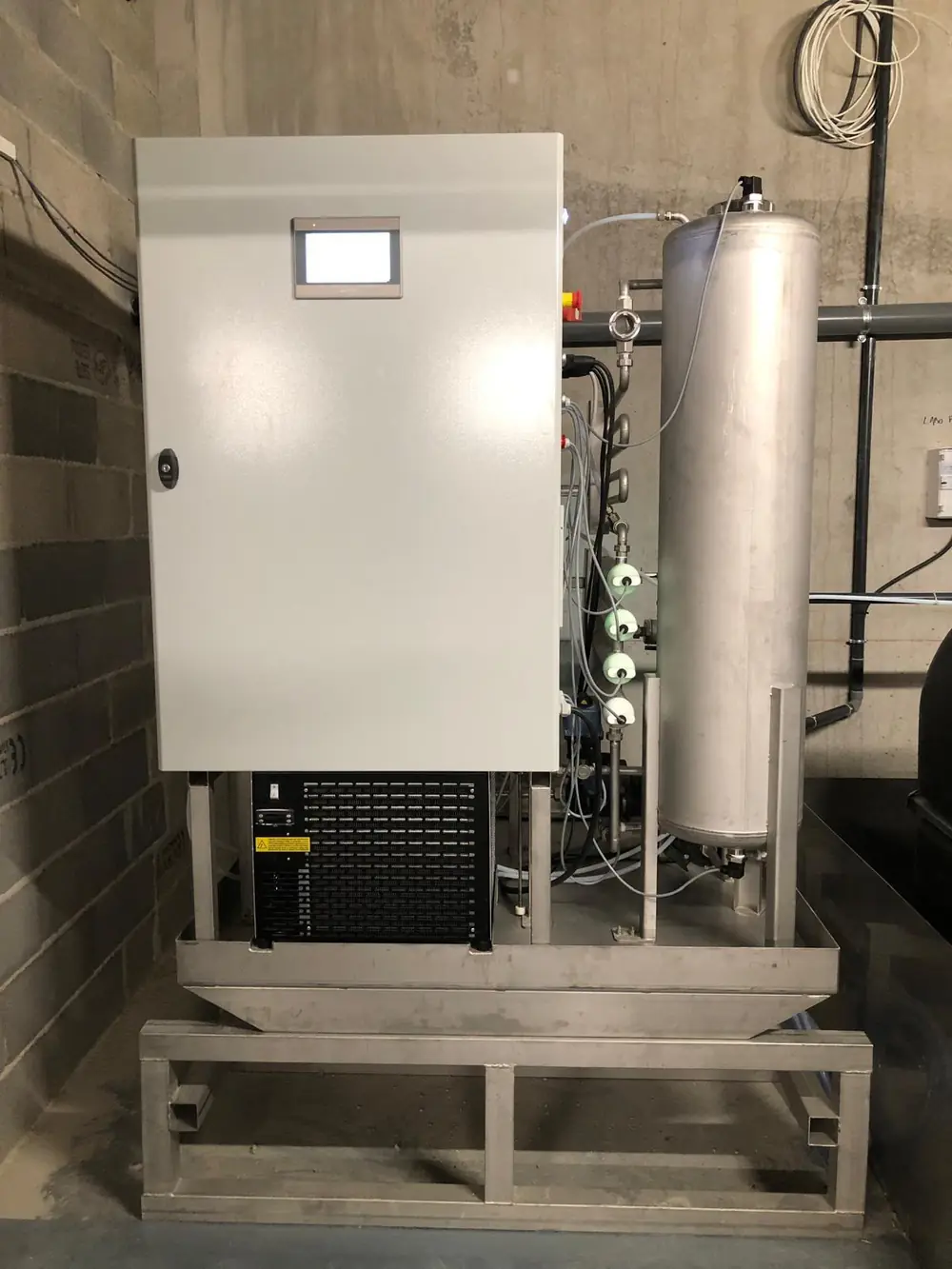
TRESA TL is the on-site solution designed to help healthcare laboratories meet the most stringent requirements for effluent treatment. Its advanced oxidation process (AOP) combines ozone with UV-C light to neutralize and inactivate pathogens and microorganisms, reduce chemicals and COD, and improve the biodegradability of effluent before it reaches the treatment plant. It treats up to 1,500 L of laboratory wastewater per day.
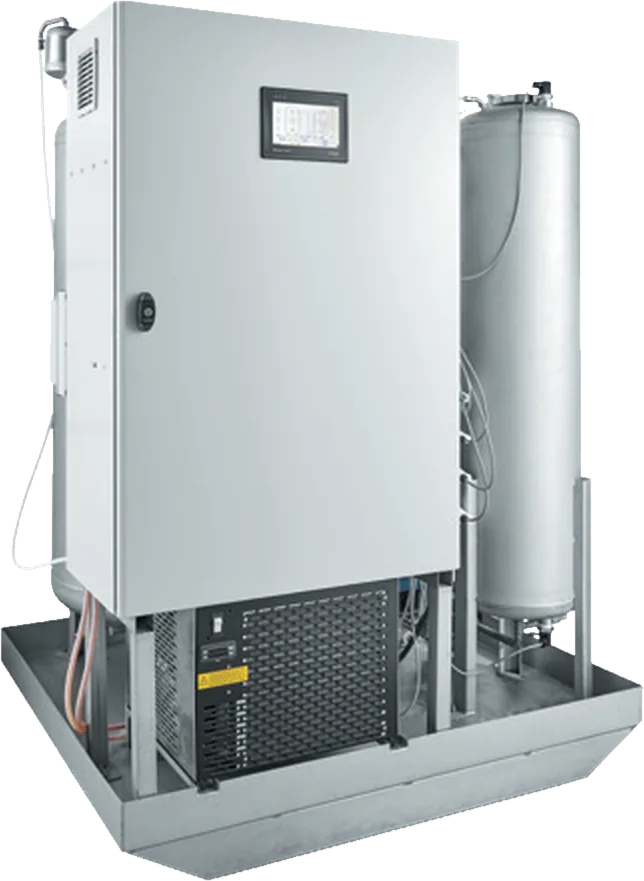
Advanced oxidation process (AOP). Ozone combined with UV-C generates hydroxyl radicals to oxidize organic contaminants and reduce COD.
Effluent collects in the primary tank. Once it is full, the cycle starts and the ozone generator switches on.
The reaction-tank pump pushes the wastewater into the reaction tank together with ozone, through a venturi cone that helps the ozone dissolve.
With the reaction tank full, the switch valve closes and the effluent circulates in a closed loop between the reaction tank and the UV-C lamps while ozone is continuously injected. Excess ozone returns to the primary tank to pre-treat the next cycle.
When the set cycle time is reached (it sets the ozone quantity and UV-C dose), circulation stops and the effluent passes through an active-carbon filter that captures residual dissolved ozone.
The treated effluent is discharged to the main sewer, subject to local requirements, and the next cycle starts.
The advanced oxidation process used by TRESA TL combines ozone (O₃) with UV-C light, giving a highly effective treatment through three distinct reactions.
UV-C light breaks ozone down into oxygen molecules and highly reactive oxygen atoms, which attack and break down pollutants.
Reaction: O₃ + UV-C → O₂ + O
The reactive oxygen atoms interact with water molecules to form hydroxyl radicals, among the most effective agents for breaking down organic contaminants.
Reaction: O + H₂O → 2 •OH
Ozone also oxidizes contaminants directly, breaking harmful compounds down into safer by-products. UV-C light improves the efficiency of this step.
Reaction: O₃ + contaminant → O₂ + breakdown products
| Application | Clinical, hospital, research and specialty test laboratories |
|---|---|
| Treatment capacity | Up to 1,500 L per day |
| Treatment technology | Advanced oxidation process (ozone + UV-C) |
| Control | PLC, real-time monitoring and efficiency control |
| Peripherals | Remote alarm system |
| Power supply | 230 V |
| Water | Access to city water (optional) |
| Weight | 350 kg |
| Location conditions | Closed space with ventilation, minimum 10 m² |
| Dimensions (H × L × W) | 1800 × 1350 × 1200 mm |
Values from the current TRESA TL brochure. Specifications may change; please confirm with our team for your configuration.
Organic compounds react with ozone in a process similar to combustion, with carbon dioxide and water as the main end products. Inorganic compounds of lower oxidation numbers react with ozone to produce oxides, although many inorganic compounds do not react. Examples of compounds that can be oxidized:
| Acids, alcohols, aldehydes and ketones | Acetic acid, acetone, n-butyl acetate, butoxyethanol, cetyl alcohol, formaldehyde, isopropyl alcohol, glycerol, methacrylic acid, methyl ethyl ketone (MEK), propylene glycol |
|---|---|
| Aromatic compounds | Benzene, benzyl alcohol, n-butyl phthalate, camphor, para-phenylenediamine, resorcinol, styrene, tricresyl, toluene, xylene |
| Aliphatic compounds | Butane, isobutane, liquefied petroleum gas (LPG), mineral spirits, propane |
| Chlorides | Methylene chloride, chloroform, methyl chloroform, perchloroethylene, trichloroethylene, phenacetin |
| Nitrogen-containing compounds | Hydrogen cyanide, aminophenol, ammonia, ammonium hydroxide, benzopyrene, EDTA (ethylenediaminetetraacetic acid), ethanolamine |
| Sulfur-containing compounds | Ammonium persulfate, ammonium thioglycolate, sodium bisulfite, thioglycolic acid |
Wastewater tests are performed before and after installation of the TRESA TL to verify the results of the AOP process on organic and inorganic compounds.
Discharge of treated effluent must comply with the requirements that apply at your site. Local requirements and application conditions should be verified before installation.
Documents are sent on request. Use the button to tell us which product you are interested in and we will reply with the relevant files.
Tri-fold brochure with a side-by-side comparison of all five TRESA systems, plus treatment overview and company details.
Request product informationAdvanced oxidation principle, process flow, key benefits, specifications and installation requirements.
Request product informationUp to 1,500 L per day, the effluent of a whole laboratory.
It uses an advanced oxidation process: ozone combined with UV-C generates hydroxyl radicals that break down organic contaminants and reduce COD, while also inactivating microorganisms.
A closed space with ventilation of at least 10 m², a 230 V supply and access to the main sewer. City water is optional.
Wastewater tests are performed before and after installation to verify the results of the oxidation process on organic and inorganic compounds.
Where liquid waste from IVD analyzers comes from, why it needs managing, and the options for treating it on site or collecting it for off-site disposal.
TRESA CITRESA CIHTRESA TL
How collecting analyzer effluent for off-site disposal compares with treating it on site, step by step.
TRESA CITRESA CIHTRESA TL
How an advanced oxidation process combining ozone and UV-C treats the combined wastewater of a whole laboratory, up to 1,500 L per day.
TRESA TL
Tell us which analyzers you run and roughly how much effluent they produce. That helps our team advise which TRESA configuration may suit your site.