Controlled dilution + UV-C
Level sensors and a solenoid valve control dilution before the effluent passes through dual UV-C treatment chambers.

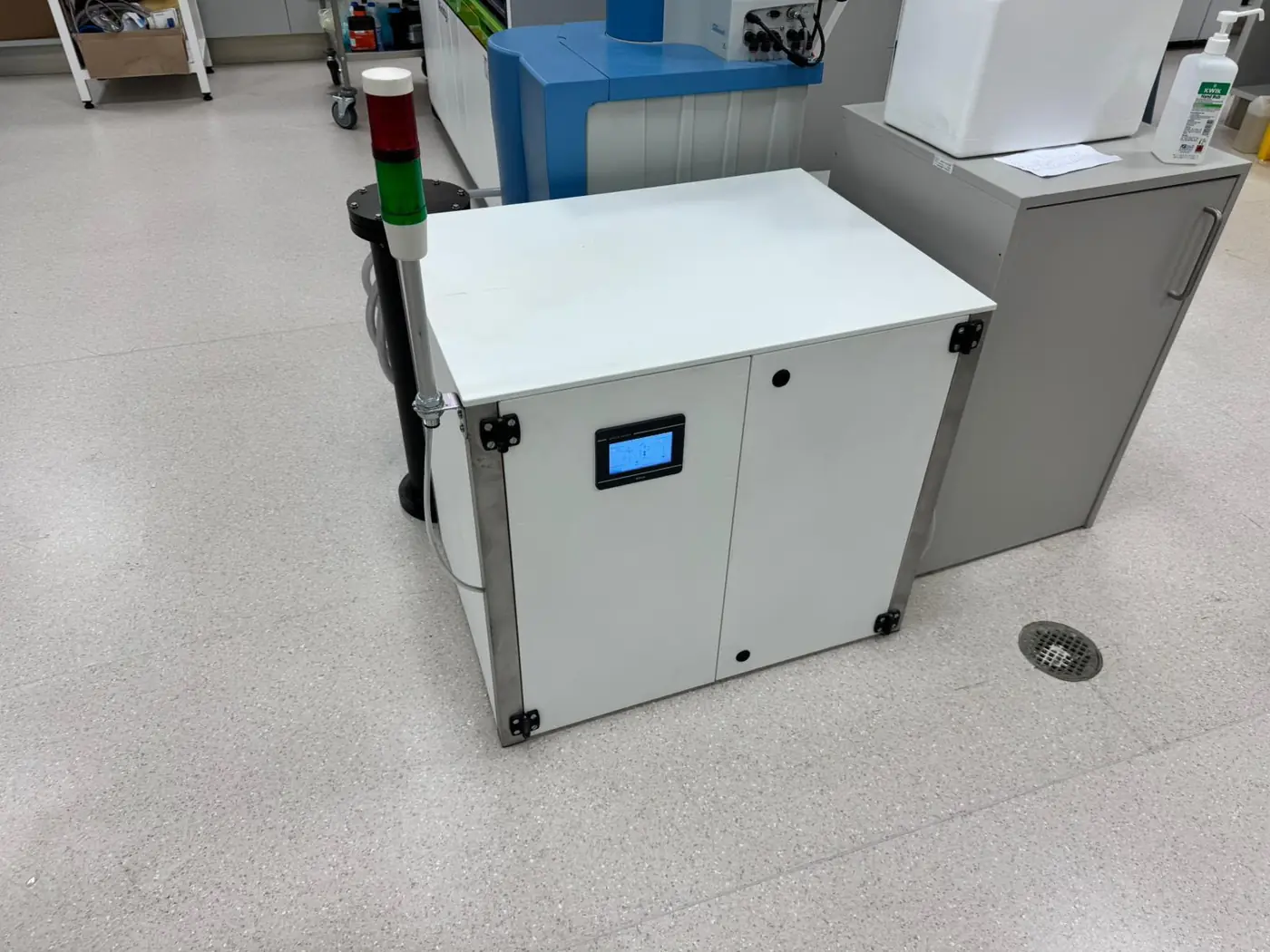
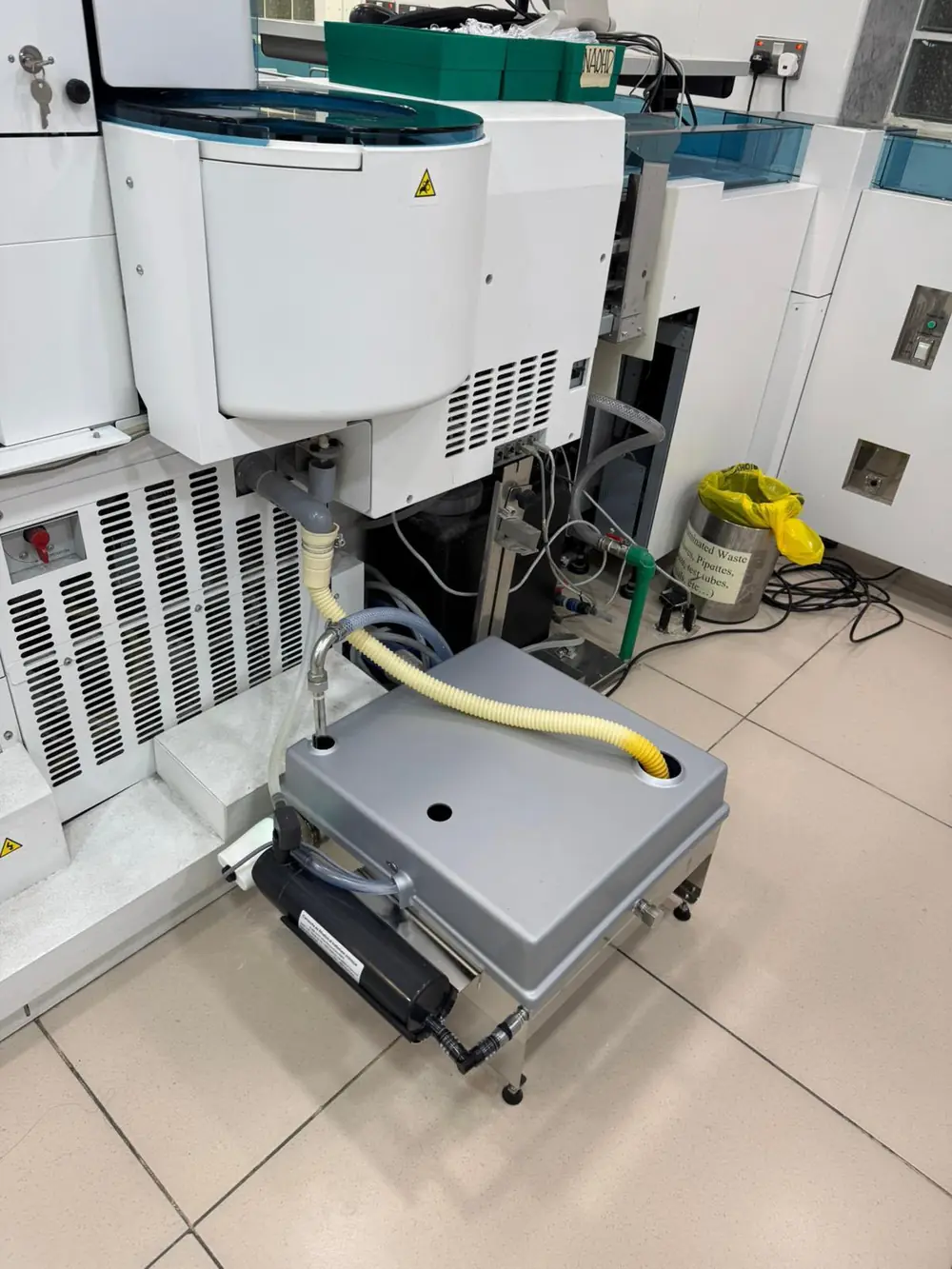
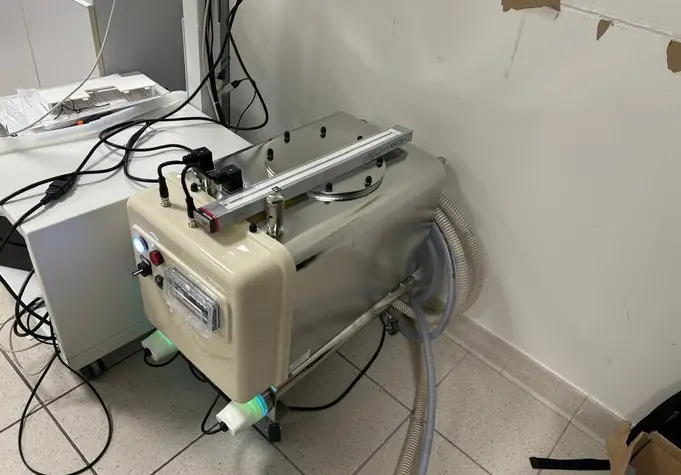
Explore the TRESA range of on-site treatment systems designed for wastewater generated by clinical laboratories and medical institutions.
Five systems for different effluent streams, from a single analyzer up to 1,500 L per day for laboratory-wide treatment.
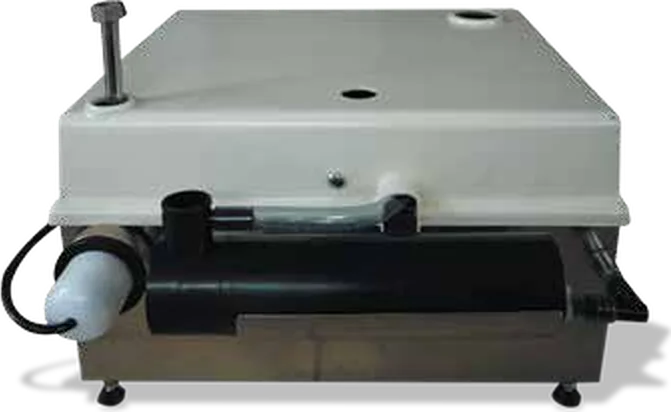
Roche Diagnostics biochemistry analyzers
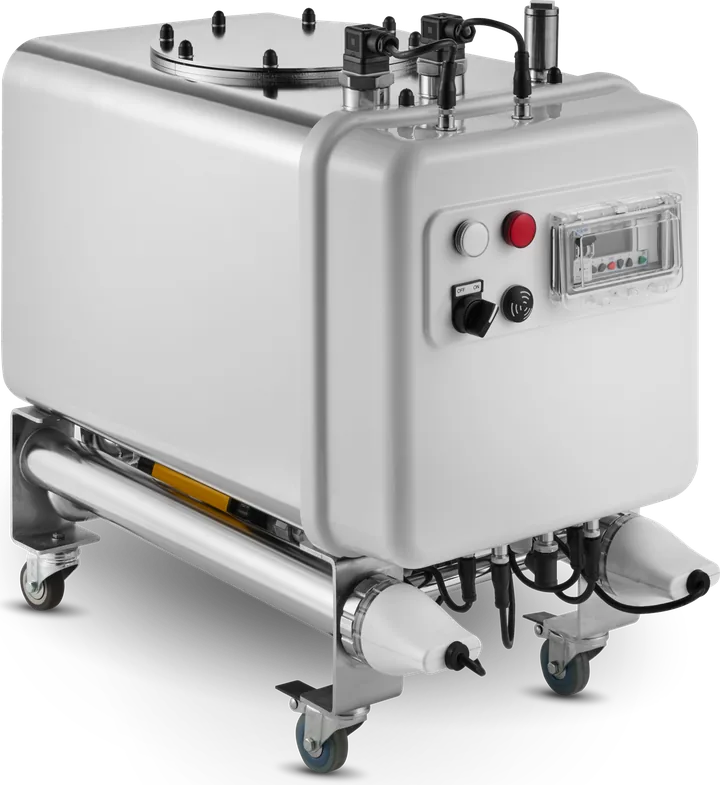
Biochemistry and immunoassay analyzers
Hematology analyzers
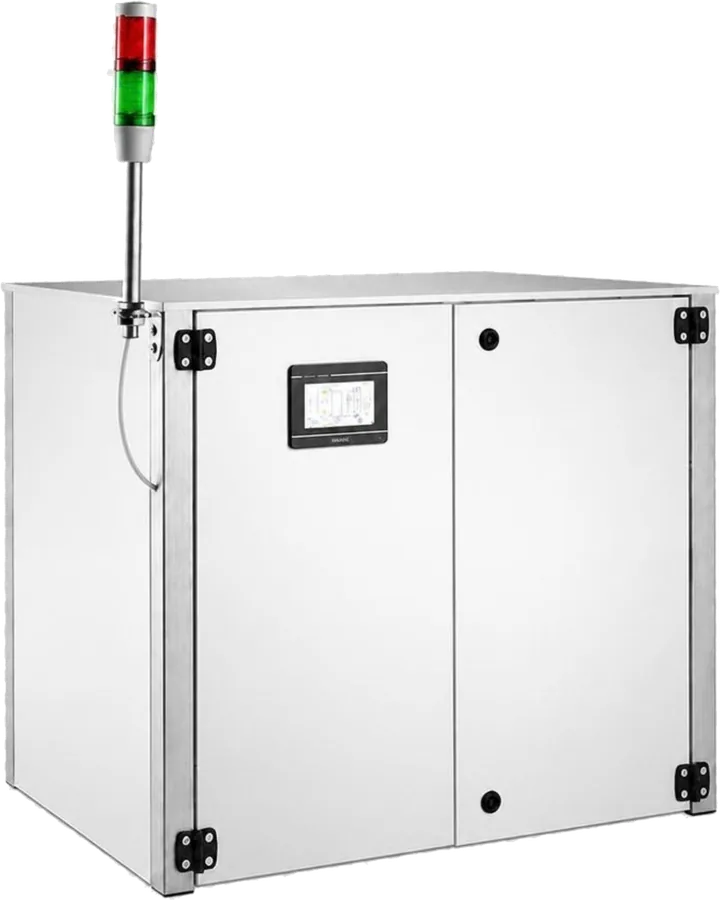
Biochemistry, immunoassay and hematology analyzers
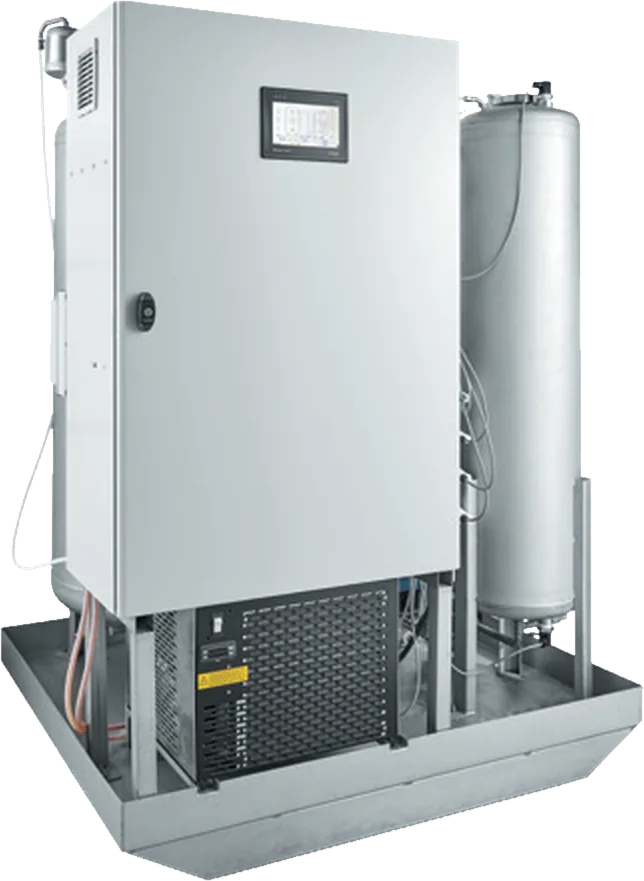
Entire laboratory, all analyzer types
A 49-second introduction to treating laboratory wastewater where it is generated: the problem, the four treatment steps and the TRESA range.
Many automated IVD analyzers generate liquid waste containing residual reagents, chemicals and biological material associated with patient samples.
Depending on the laboratory and local requirements, this liquid waste may be collected in containers, stored on site and transported off site for treatment or disposal. Each additional handling step can add cost and operational risk, including the potential for spills and staff exposure.
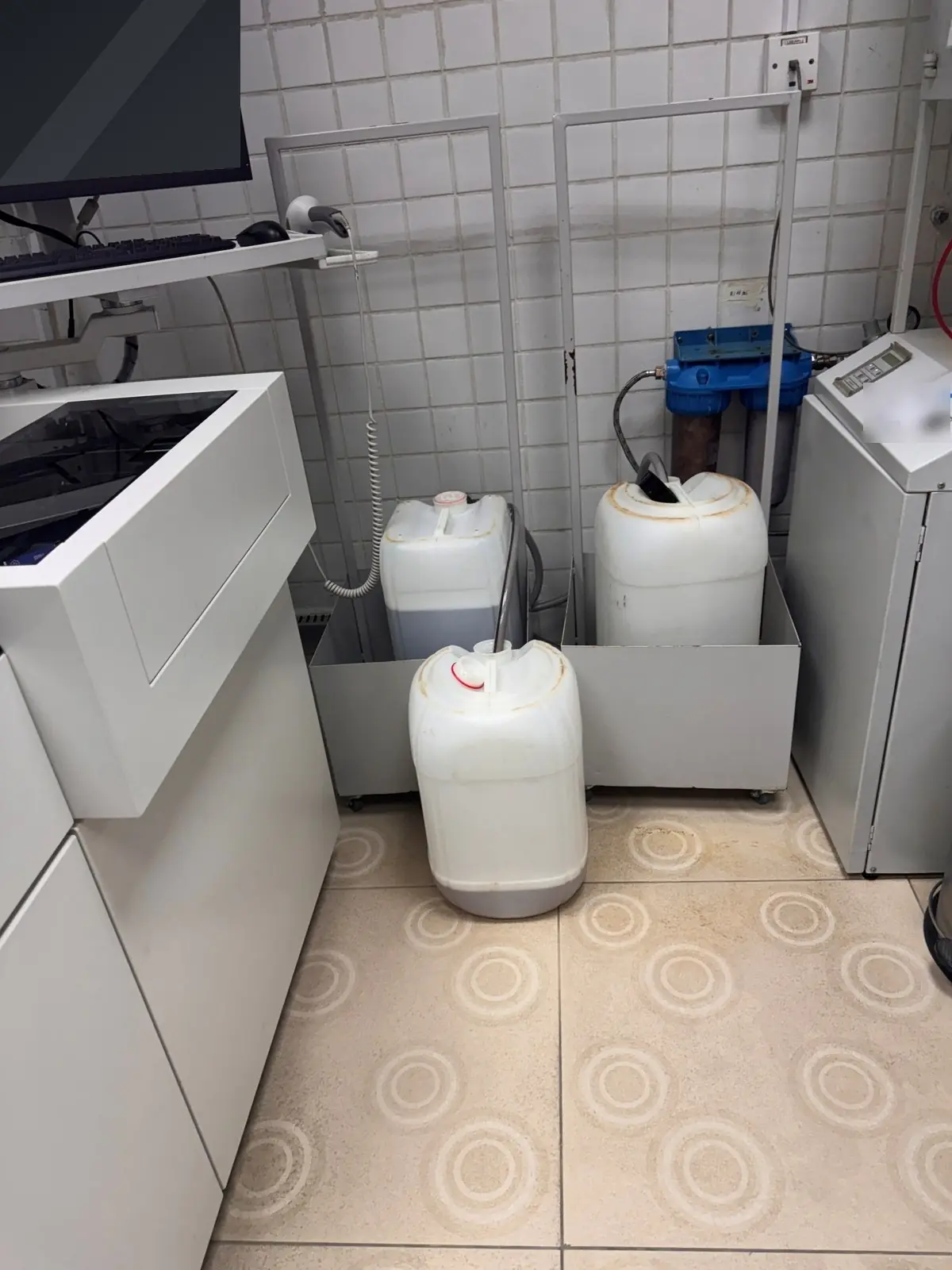
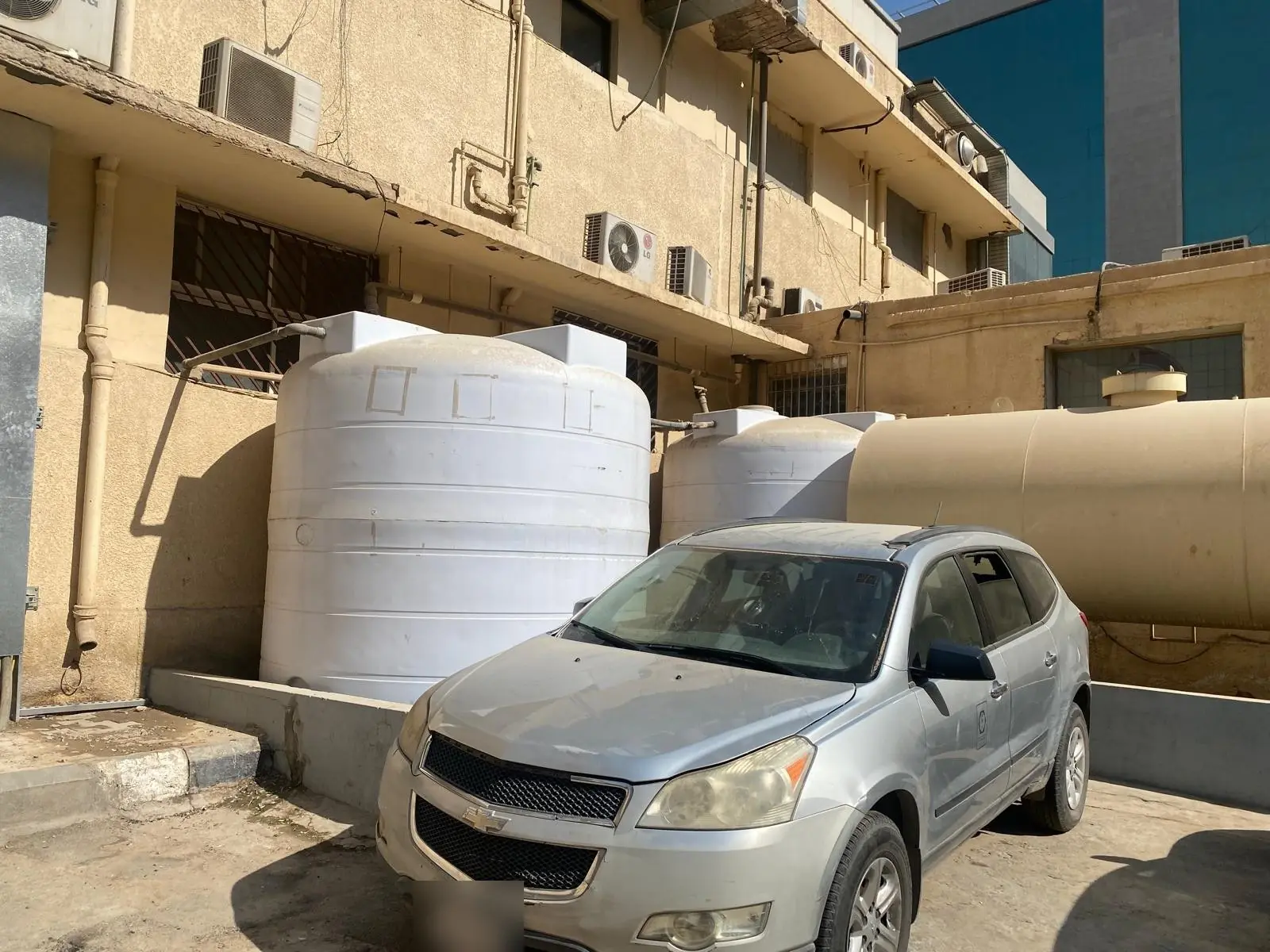
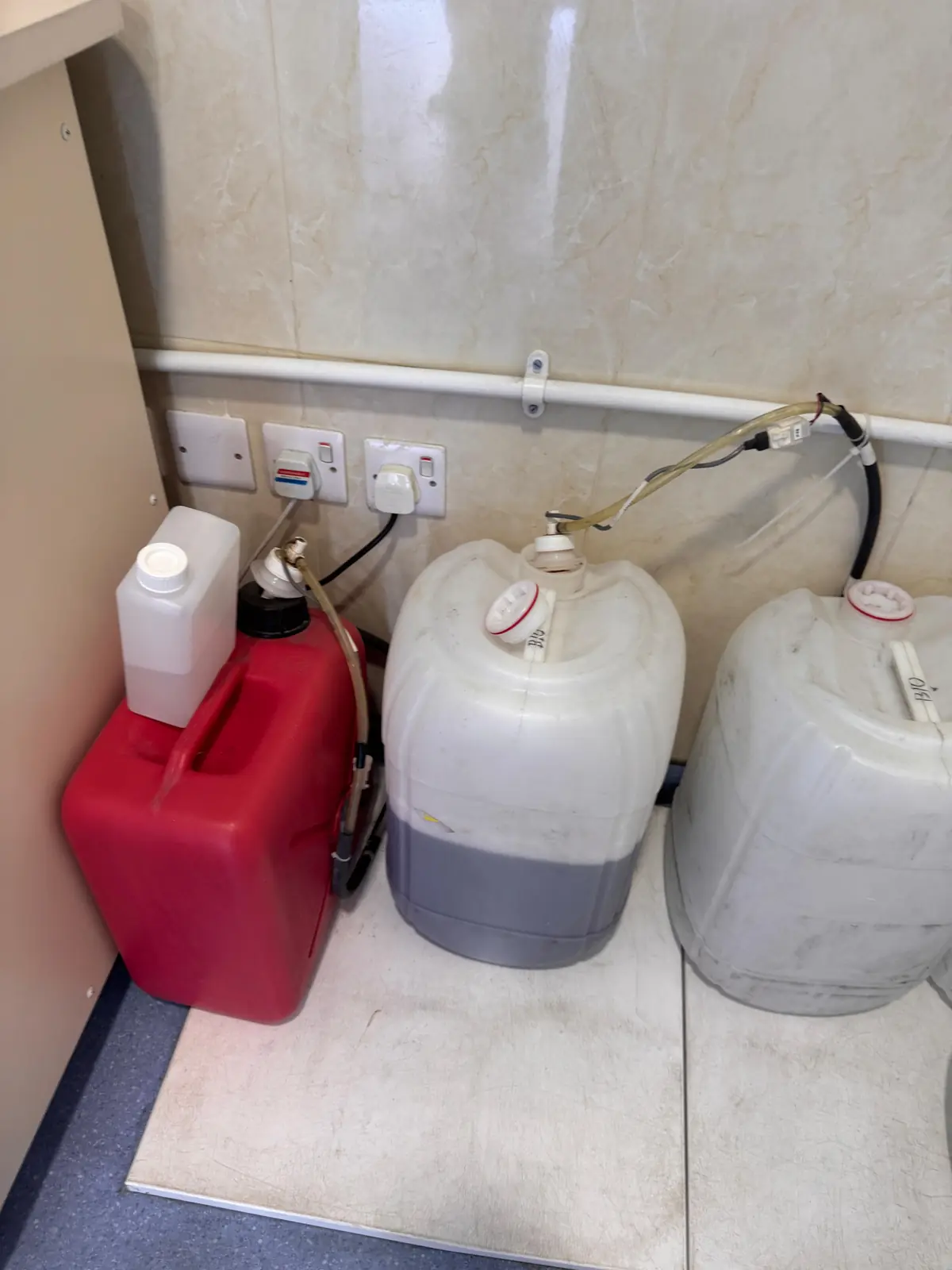
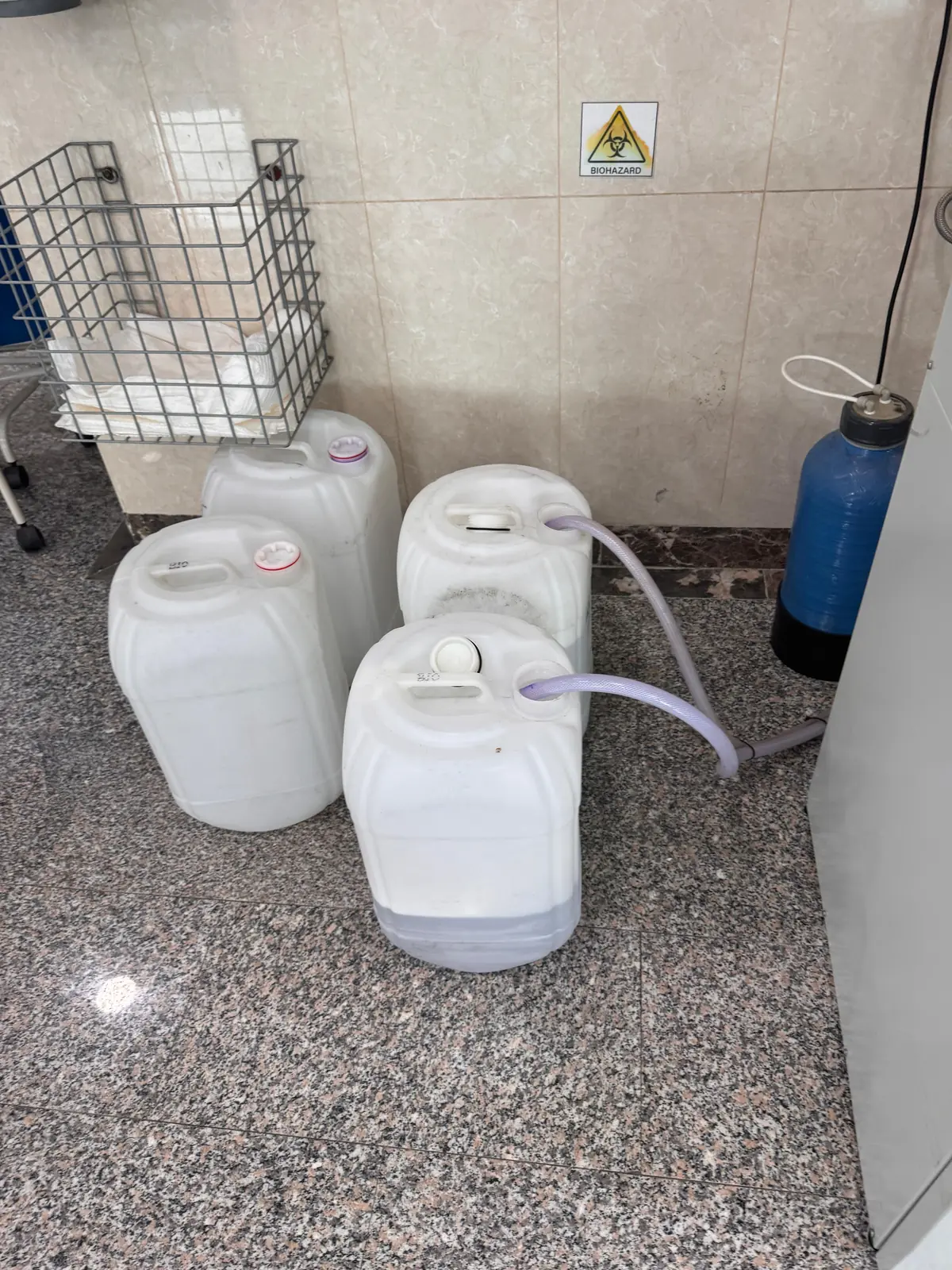
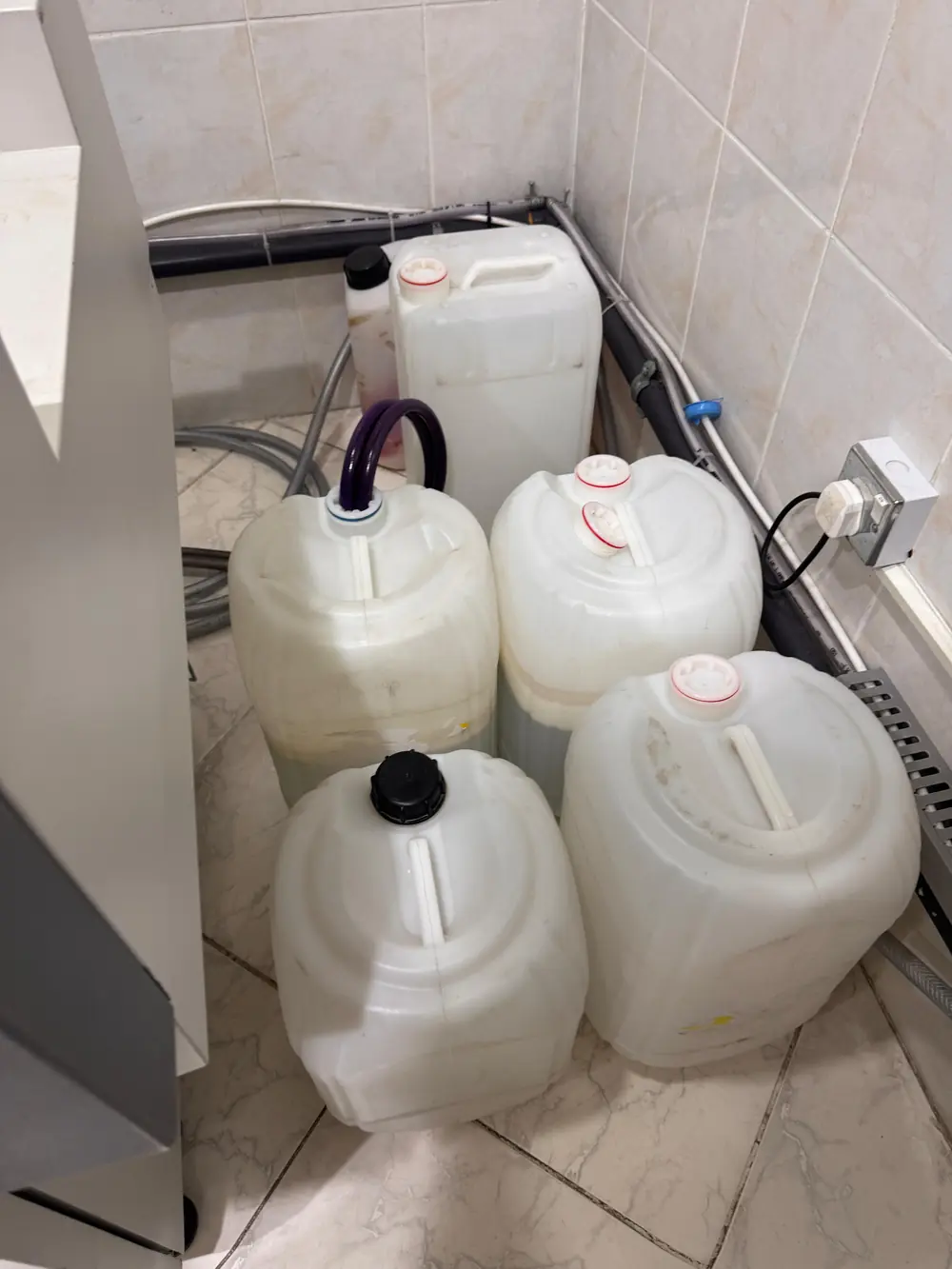
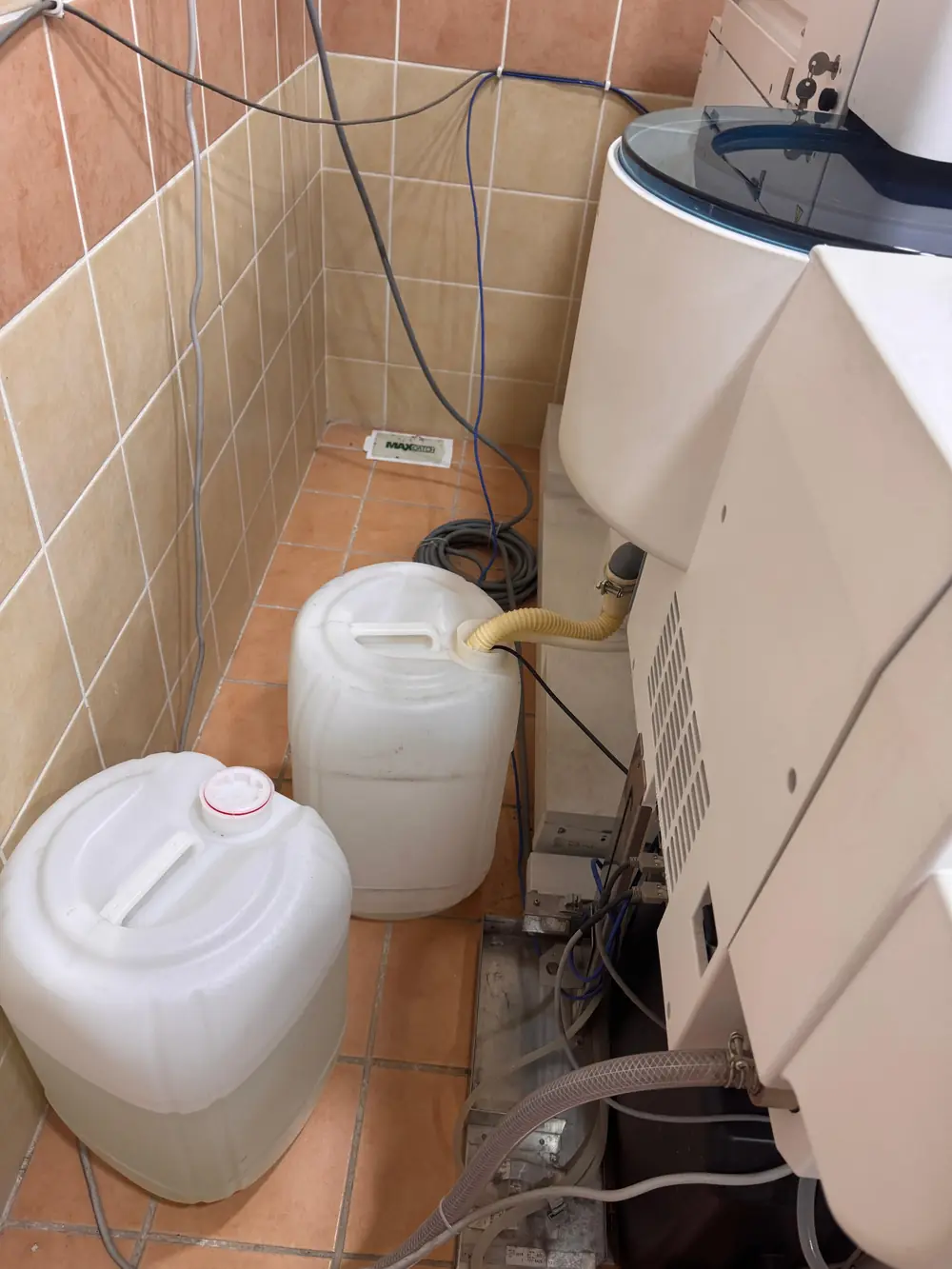
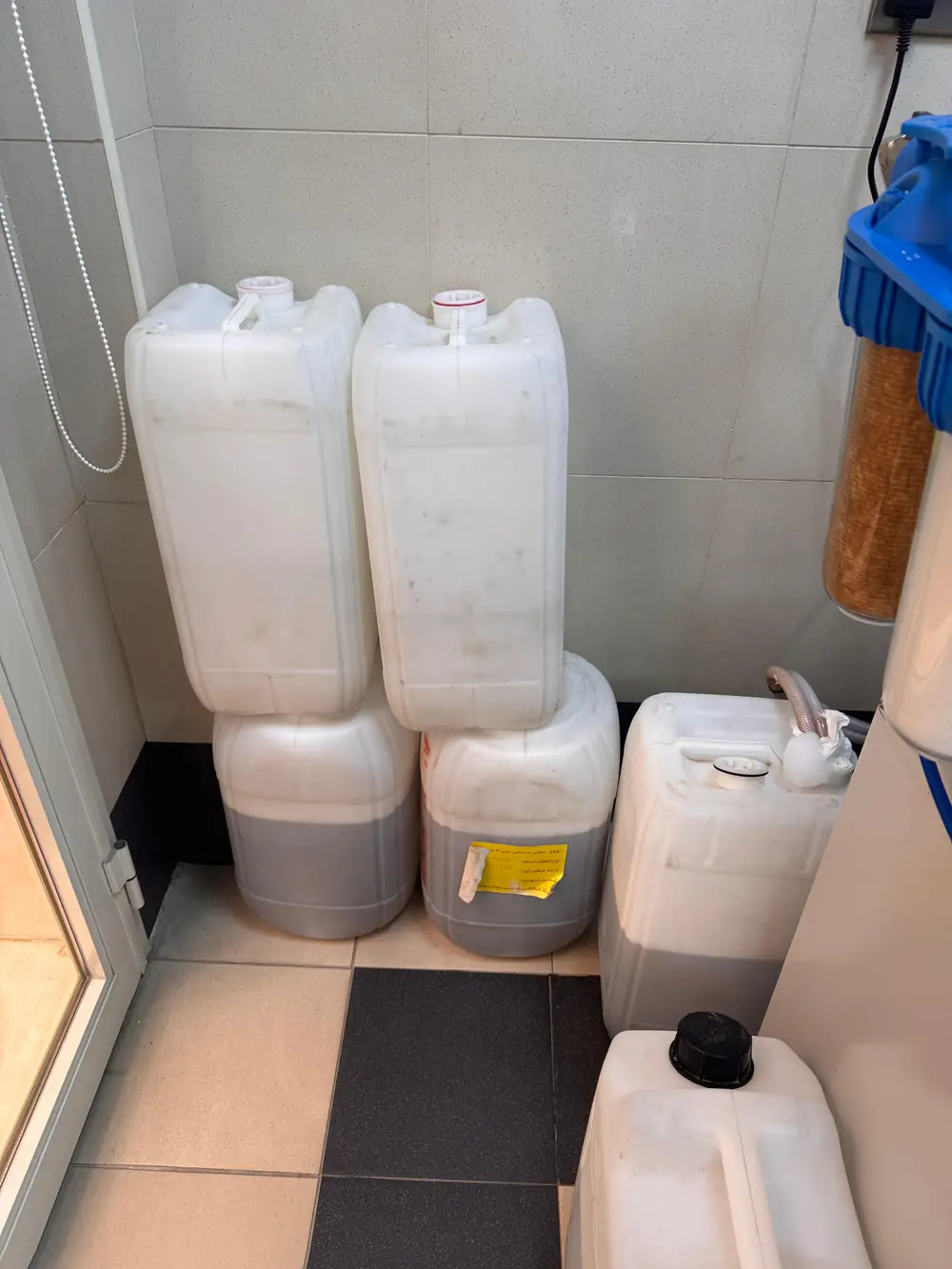
The wastewater is treated close to the analyzer that generates it, using a treatment configuration selected for the specific application and effluent characteristics.
Waste runs straight from the analyzer into the unit's built-in tank.
Depending on the application, the effluent is conditioned by controlled dilution and/or filtration.
UV-C reactors inactivate microorganisms (CRD, CI, H, CIH), or ozone + UV-C advanced oxidation treats laboratory-wide effluent (TL).
Treated effluent goes to an approved drain or sewer, subject to applicable local requirements.
Level sensors and a solenoid valve control dilution before the effluent passes through dual UV-C treatment chambers.
Filtration reduces selected chemical contaminants before UV-C treatment provides microbial inactivation.
Ozone combined with UV-C generates hydroxyl radicals to oxidize organic contaminants and reduce COD.
The wastewater is dealt with on the spot, not sent elsewhere.
With direct treatment, nothing waits around for collection.
Where permitted and applicable, there may be no need to transport the treated liquid waste off site.
Treatment cycles are automated and monitored by the system, giving operational visibility of the process.
Staff no longer carry or pour hazardous liquids by hand.
A clean, predictable way to manage laboratory wastewater.
Less handling and storage of untreated liquid waste helps reduce spill and exposure risks.
Designed to help laboratories meet the discharge requirements that apply locally.
Start from the analyzers in your laboratory. Final selection depends on analyzer models, effluent volume and local discharge requirements, so our team confirms the right configuration for each site.
Ask our team to check your setup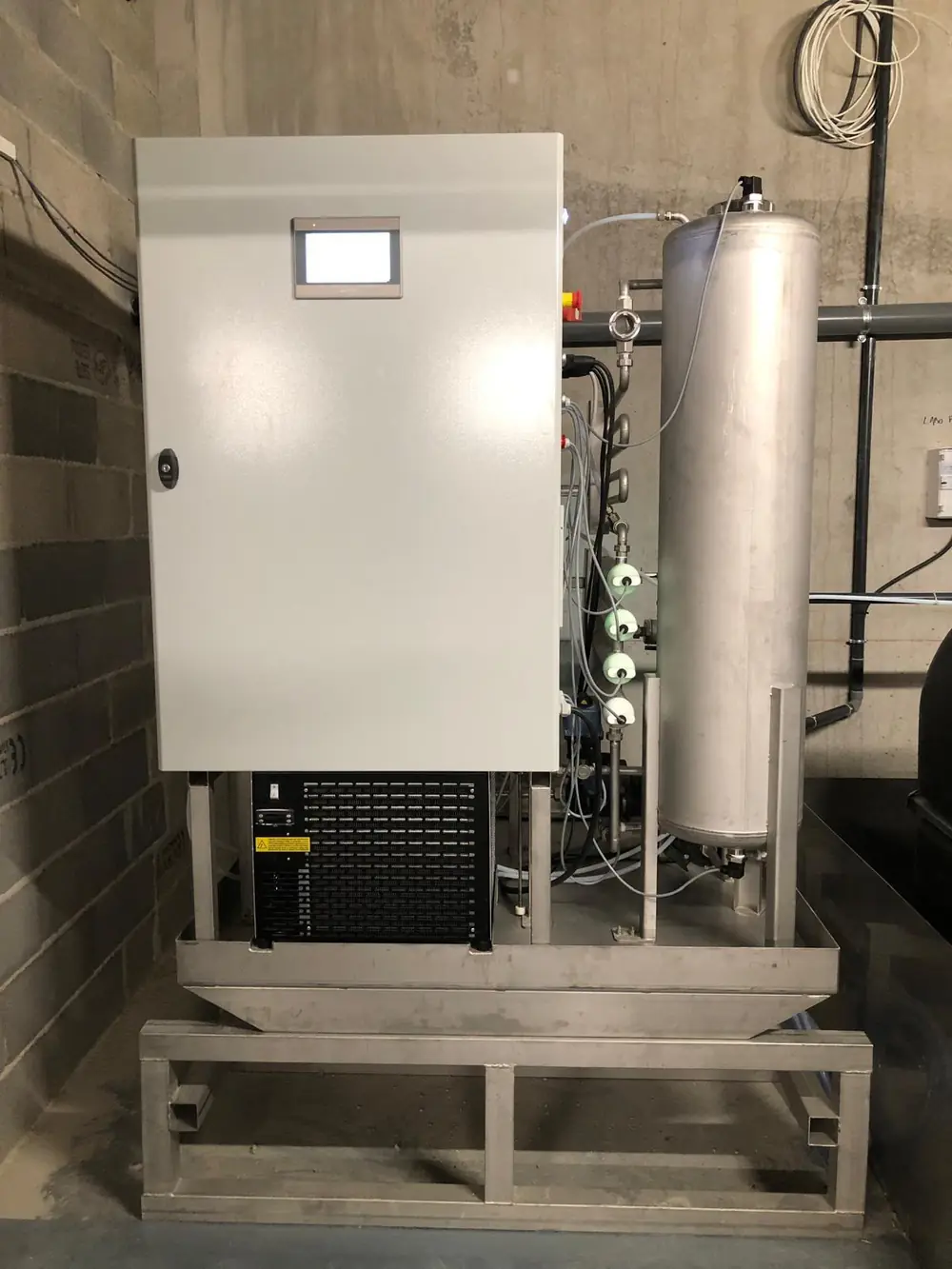
Maumee Technologies is a US manufacturer of water and wastewater treatment systems for clinical laboratories, medical institutions and selected industrial applications, and the maker of the TRESA range. Engineering, manufacturing, assembly and testing happen under one roof.
Research and development is shared with Maumee Scientific, a Swiss technology company in Nyon focused on environmental and biomedical R&D.
About Maumee Technologies
The TRESA series has undergone Environmental Technology Verification (ETV) under ISO 14034:2016, providing independent verification of specified environmental performance claims.
TRESA is a range of five on-site treatment systems for liquid waste from clinical laboratory and IVD analyzers, made by Maumee Technologies in Cincinnati, Ohio. It runs from units for one or two analyzers (TRESA CRD, CI and H) to a multi-analyzer cabinet (TRESA CIH) and a laboratory-wide system (TRESA TL).
It depends on your analyzer types and models, how many analyzers you run, your daily effluent volume and local discharge requirements. Send us your analyzer list through the contact form and our team will advise which configuration may suit your site.
TRESA systems discharge treated effluent to an approved drain or sewer connection. Discharge must comply with the requirements that apply at your site, which should be confirmed before installation.
All models use a 230 V supply and a drainage point. TRESA CI and H also need a water supply for controlled dilution; TRESA TL needs a closed, ventilated room of at least 10 m² and, optionally, city water.
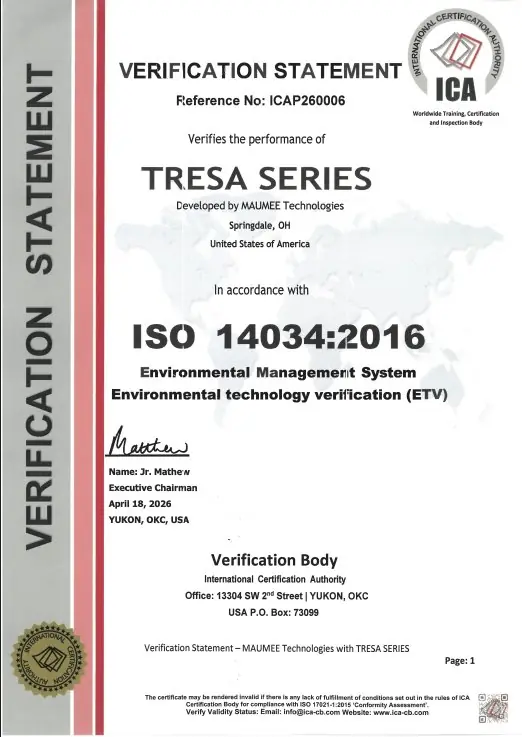
Yes. The TRESA series has undergone Environmental Technology Verification (ETV) under ISO 14034:2016, verification statement ICAP260006 issued by the International Certification Authority.
Brochures and datasheets are sent on request. Use “Request product information” and choose “Brochure or datasheet” as the request type.
Tell us which analyzers you run and roughly how much effluent they produce. That helps our team advise which TRESA configuration may suit your site.